sealcoating services
what is sealcoating?
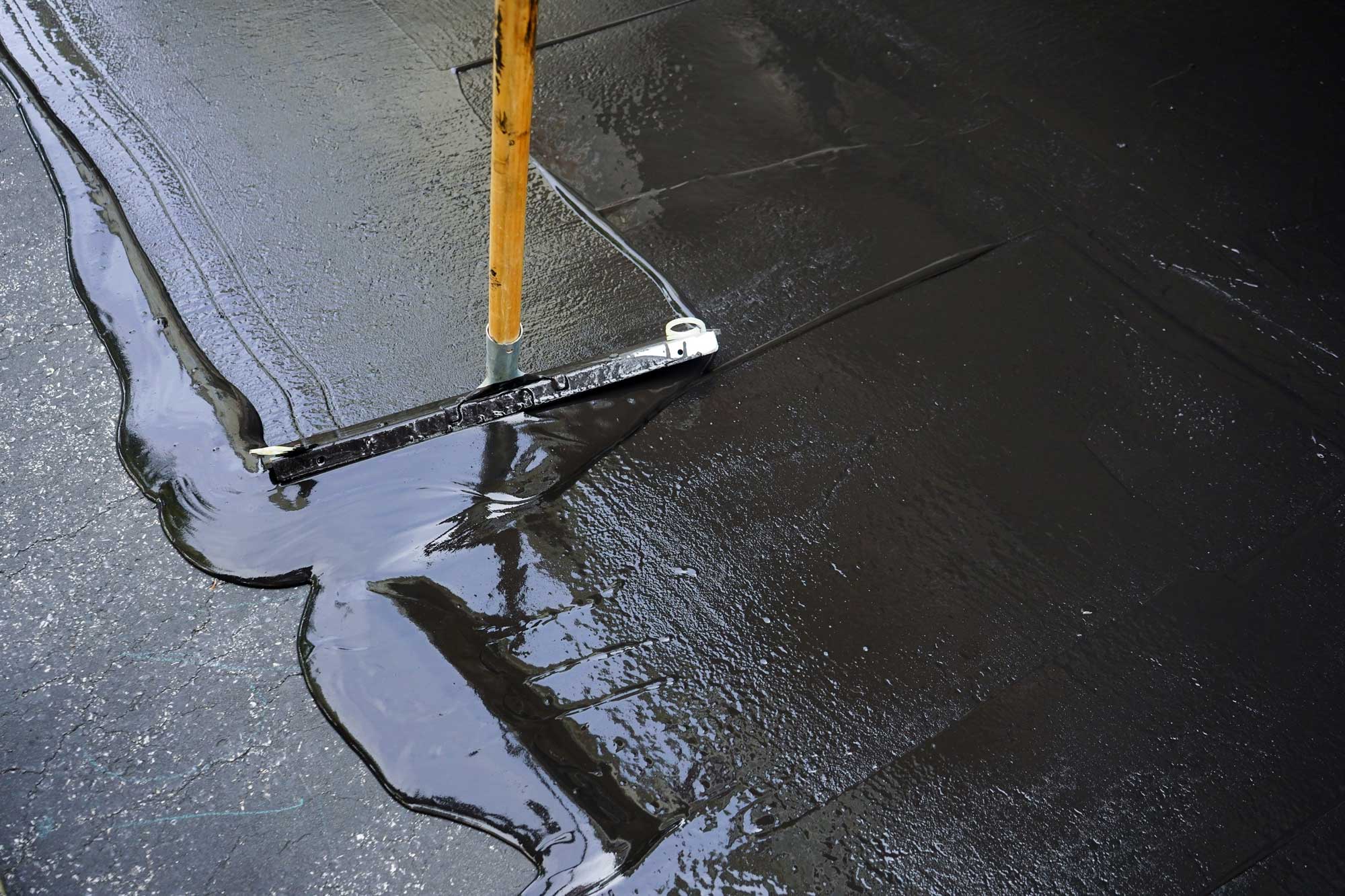
When used on pavement that is structurally sound but showing surface wear or fading, sealcoating slows deterioration, reduces water penetration, and improves skid resistance and curb appeal—delaying the need for resurfacing or full replacement. It is not a substitute for major structural repairs, so combining targeted repairs with regular sealcoating at appropriate intervals delivers the best long‑term protection and lowest total cost of ownership for driveways and parking lots.
Why Does Asphalt Need Sealcoating?
UV Protection
Water Barrier
Wear Protection
how often to get sealcoating
For best results, schedule sealcoating in dry, mild weather—typically late spring through early fall—when temperatures stay above about 50°F and no rain is expected for 24–48 hours so the sealer can cure. Proper surface prep (thorough cleaning, crack routing and filling, and spot patching) is essential; skipping prep shortens the life of the coat. Most jobs use one or two coats depending on product and porosity; follow a contractor’s recommendation for polymer‑enhanced versus standard emulsions. Quick plan: inspect each spring or fall, reseal every 2 years as a baseline, move to 1–2 years for heavy use, and combine resealing with targeted repairs to maximize pavement life and minimize long‑term costs.
benefits of professional sealcaoting
Lower Cost
Long-term Durability
Driveway Resurfacing vs Driveway Sealing
Sealcoating
An asphalt emulsion sealcoat is a thin protective coating applied to the surface of asphalt pavement in order to prevent asphalt deterioration. Sealcoating fills tiny surface voids, slows oxidation, and keeps your asphalt from drying out and cracking. The sealer blocks UV rays, water, oil, and road salts while restoring a clean, dark finish. It’s routine preventive maintenance that preserves curb appeal and extends pavement life, especially in Maryland’s freeze–thaw climate.
Driveway Resurfacing
This service adds a fresh, smooth layer of new asphalt over the current surface, giving it a like‑new finish without the cost of a full replacement. Resurfacing can require milling existing asphalt to even the surface before an overlay is added. The process strengthens the structure, evens out bumps and cracks, and adds years of life to aging pavement — perfect when the base is still solid but the surface is worn. It’s a cost‑effective way to dramatically improve appearance, durability, and drivability.
request your free estimate
Our estimates include a concise scope of work, an expected timeline, and a transparent price range or fixed quote when possible. If an on‑site inspection is needed we’ll schedule a convenient time and follow up with a written proposal that outlines materials, methods, and any warranty information.
We typically reply within 24 hours and prioritize same‑day estimates when available. All estimates are obligation‑free and backed by our workmanship promise: if something isn’t right, we make it right.
Submit your request and we’ll get back with a clear plan and next steps so you can decide with confidence.
Why choose elite?
We’re a small, local crew that treats each asphalt driveway and parking lot like it belongs to a neighbor: clear, honest estimates, dependable timelines, and straightforward communication from inspection to final walkthrough. Our technicians are licensed and insured, we follow best practices for prep and installation, and we prioritize durable results over quick fixes.
We stand behind our work with a simple promise: quality workmanship and a fair warranty. When you choose Elite Asphalt you get reliable service, long‑lasting pavement protection, and the confidence that we’ll make it right if anything falls short.